01 · Market structure
Reading what price has done without decorating it: highs, lows, ranges, and the difference between a level that mattered and a line you drew afterwards. The aim is to describe a chart in a way another person would recognise.
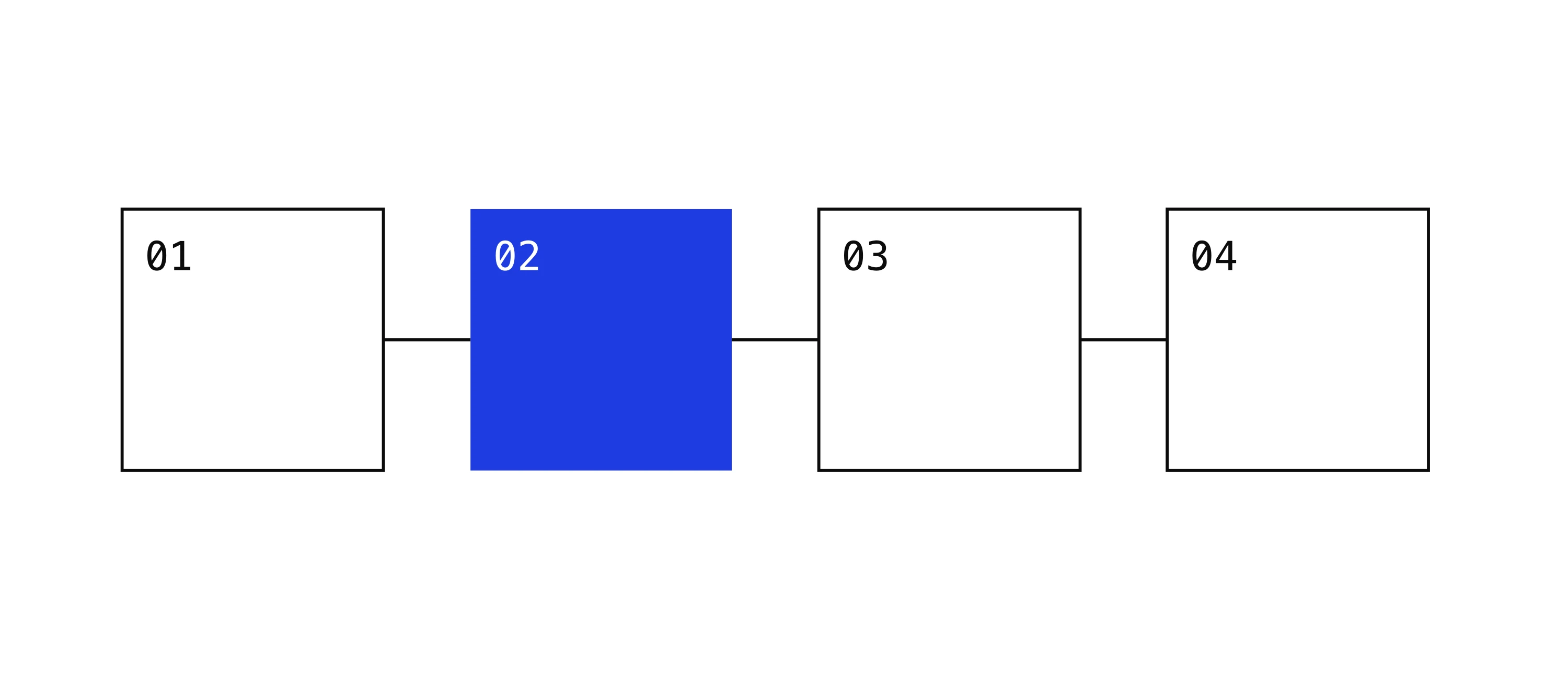
Curriculum
The order matters more than the content. Most people learn entries first and risk last, which is exactly backwards and is why so many accounts do not survive the first year.
Become a memberThe path
In detail
Everything below is method. None of it tells you what to trade, and none of it depends on a market being in any particular condition.
Reading what price has done without decorating it: highs, lows, ranges, and the difference between a level that mattered and a line you drew afterwards. The aim is to describe a chart in a way another person would recognise.
Position sizing from a fixed percentage, what a run of losses does arithmetically, why leverage changes the size of a mistake rather than the quality of an idea, and how to set a stop before you have any interest in where it is.
Writing the plan before the entry: the reason, the invalidation, the size and the exit. Then following it. Most of what looks like a strategy problem is a plan that was never written down and therefore could not be broken.
What a journal has to contain to be worth keeping, how to review a month without flattering yourself, and how to tell an error of execution from an ordinary losing trade — which are treated very differently.
Sizing the same way every time, logging before the outcome is known, and not trading when the conditions the plan assumes are absent. These are unglamorous and they are the whole of the difference.
Every stage has something to do, and the community exists so that what you did is looked at by somebody other than you. Being asked where your invalidation was is worth more than another video.
Expectations
Being specific about this is not a disclaimer exercise. It is the difference between somebody who quits in month three and somebody who is still working in year two.
Questions
No. Stage one assumes nothing and spends its time on describing charts accurately, which is a skill people skip because it feels too basic. It is not.
The method is about structure, risk and process, which travel between markets. Examples are drawn from the instruments the community actually trades, but nothing in the material depends on a particular one.
Longer than you want to. The material front-loads the parts you can practise without risk precisely so that the expensive lessons are the ones you have already had for free.
There is a method you can execute, which is not the same thing. A copied strategy fails the first time conditions change, because nobody explained why it worked.
Only in the sense that a written plan and a fixed position size remove most of the decisions that psychology gets blamed for. We are sceptical of the version that treats it as a separate subject.
Yes, and members keep access to updates. What changes is examples and clarity; the four stages have not moved and are not likely to.
Most members who arrive with experience find the gap is in stage two or four, not in entries. The free guide covers enough of both to show you where yours is.